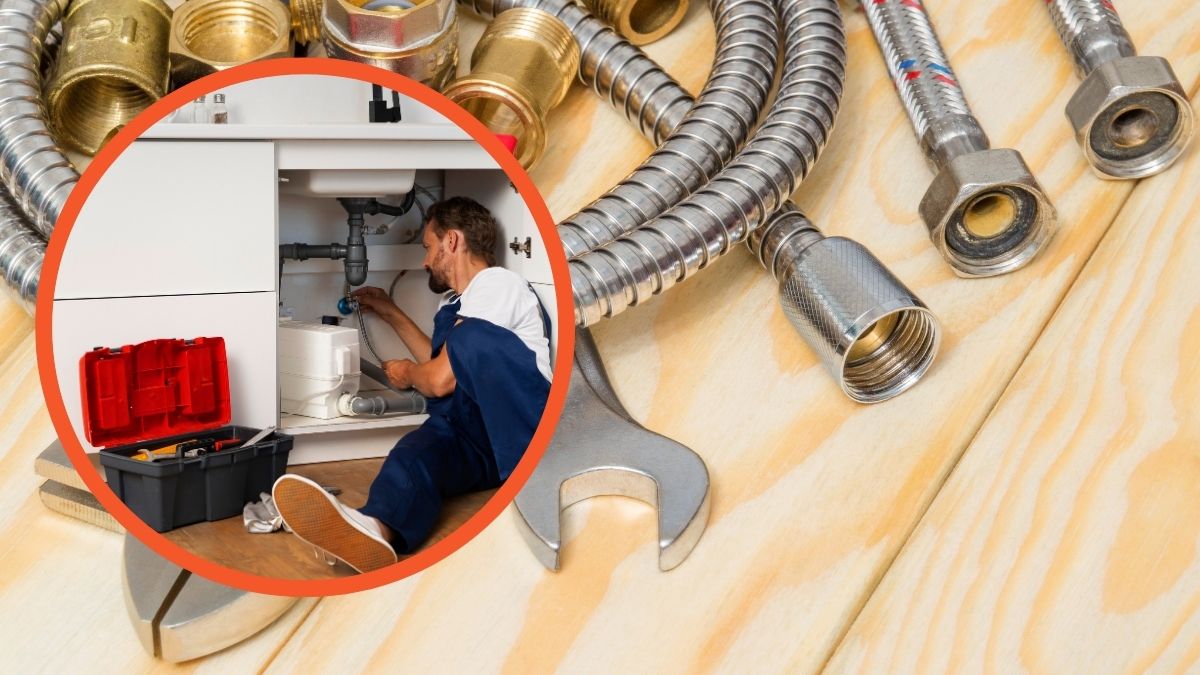
The plumbing industry has become increasingly global. Today, manufacturers design, produce, and distribute plumbing products across multiple countries, each with its own building codes, product certifications, water-efficiency requirements, and safety regulations. As a result, understanding international plumbing standards is no longer optional it’s essential for companies that want to compete in global markets.
Whether manufacturing faucets, valves, pipes, water heaters, fittings, pumps, toilets, or smart plumbing devices, compliance with international standards helps ensure products meet safety, quality, and performance expectations. It also builds customer confidence, reduces legal risks, and simplifies entry into new markets.
However, navigating international plumbing regulations can be challenging. Manufacturers must understand product testing, certification requirements, material standards, environmental regulations, and country-specific plumbing codes before launching products internationally. We provide article that help businesses understand industry requirements and make informed decisions. In this article, we explain the importance of international plumbing standards, highlight the organizations that develop them, and discuss how manufacturers can build products that meet global expectations. Whether your products are eventually installed by Plumbers In Houston, Plumbers In San Antonio, or professionals around the world, following recognized plumbing standards helps ensure long-term reliability and market acceptance.
What Are International Plumbing Standards?
International plumbing standards are technical guidelines that establish requirements for the design, manufacturing, testing, installation, and performance of plumbing products. These standards help ensure products are :-
- Safe
- Durable
- Reliable
- Hygienic
- Water efficient
- Compatible
- Environmentally responsible
Although individual countries often adopt their own plumbing codes, many of those regulations reference internationally recognized standards.
Why Plumbing Standards Matter
Standardization benefits everyone involved in the plumbing industry. Manufacturers benefit because standards :-
- Improve product quality
- Increase customer confidence
- Simplify international trade
- Reduce liability risks
- Improve manufacturing consistency
- Support regulatory compliance
Consumers benefit through safer, more reliable plumbing products.
Key International Organizations
Several organizations contribute to plumbing standards worldwide.
International Organization for Standardization (ISO) : ISO develops globally recognized technical standards covering manufacturing, product testing, quality management, environmental practices, and many industrial sectors, including plumbing-related products. ISO standards help manufacturers maintain consistency across international markets.
International Association of Plumbing and Mechanical Officials (IAPMO) : IAPMO develops plumbing standards, testing procedures, and certification programs widely referenced throughout North America and internationally. Its work supports safe plumbing systems and product performance.
ASTM International : ASTM develops technical standards for construction materials, metals, plastics, testing procedures, and manufacturing processes. Many plumbing materials are evaluated according to ASTM standards.
NSF : NSF develops standards related to drinking water safety and public health. Products used in potable water systems often undergo NSF certification to verify material safety and performance.
CSA Group : CSA develops standards and certification programs used in Canada and recognized in many international markets.
Why Manufacturers Must Understand Global Requirements
Different countries often require different product approvals. Manufacturers selling internationally should understand:
- Product certifications
- Material requirements
- Water-efficiency regulations
- Safety testing
- Labeling requirements
- Environmental standards
- Local building codes
Ignoring these requirements can delay product launches or restrict market access.
Product Safety Requirements
Safety is the foundation of every plumbing standard. Manufacturers should ensure products:
- Resist corrosion
- Handle expected pressure
- Maintain structural integrity
- Protect drinking water
- Operate safely
- Prevent leakage
- Withstand temperature changes
Reliable testing helps verify these characteristics before products reach customers.
Material Standards
The materials used in plumbing products directly affect durability and water quality. Common materials include:
- Copper
- Stainless steel
- Brass
- PVC
- CPVC
- PEX
- Cast iron
- Polypropylene
Manufacturers should confirm that materials meet the applicable performance and safety requirements in their target markets.
Water Efficiency Standards
Many countries encourage or require water-efficient plumbing products. Examples include:
- Low-flow faucets
- Water-saving toilets
- Efficient showerheads
- Smart irrigation products
- Sensor-operated fixtures
Improving water efficiency helps conserve resources and may also support compliance with local regulations.
Drinking Water Safety
Products that come into contact with drinking water must help protect water quality. Manufacturers should evaluate:
- Material composition
- Chemical resistance
- Corrosion performance
- Potential contaminant release
- Long-term durability
Appropriate testing and certification can demonstrate compliance with relevant health and safety standards.
Pressure And Performance Testing
Plumbing products should perform reliably under expected operating conditions. Common testing evaluates:
- Water pressure resistance
- Temperature tolerance
- Leak prevention
- Mechanical durability
- Valve performance
- Flow rates
Performance testing helps reduce warranty claims and improve customer confidence.
Corrosion Resistance
Plumbing products often operate in challenging environments. Manufacturers should assess resistance to:
- Moisture
- Chemicals
- Hard water
- Salt exposure
- Temperature changes
Corrosion-resistant products generally provide longer service life and lower maintenance requirements.
Environmental Sustainability
Environmental considerations continue to influence product development. Many manufacturers now focus on:
- Recyclable materials
- Lower energy consumption
- Reduced water usage
- Sustainable manufacturing
- Waste reduction
- Lower emissions
Sustainable products often appeal to environmentally conscious customers and may support green building initiatives.
Quality Control During Manufacturing
Consistent manufacturing processes improve product reliability. Quality control typically includes:
- Raw material inspections
- Production monitoring
- Dimensional verification
- Leak testing
- Functional testing
- Final product inspection
Documented quality procedures help ensure consistent performance.
Product Certification
Certification demonstrates that products meet recognized standards. Benefits include :-
- Greater customer confidence
- Easier market entry
- Reduced regulatory concerns
- Competitive advantage
- Improved brand reputation
Manufacturers should identify the certifications required in each target market before beginning production.
Documentation And Traceability
Accurate documentation supports compliance and quality assurance. Manufacturers should maintain records for :-
- Material sourcing
- Test results
- Production batches
- Quality inspections
- Product revisions
- Certifications
Traceability simplifies investigations if quality issues arise.
Product Labeling Requirements
Many markets require clear product labeling. Labels may include :-
- Manufacturer information
- Model number
- Certification marks
- Installation instructions
- Performance ratings
- Safety warnings
Accurate labeling helps installers and inspectors verify product compliance.
Supporting Professional Installers
Even the highest-quality product can perform poorly if installed incorrectly. Manufacturers should provide :-
- Clear installation instructions
- Product manuals
- Technical support
- Training resources
- Maintenance recommendations
Well-documented products reduce installation errors.
Smart Plumbing Products
Technology continues to transform plumbing systems. Modern products include :-
- Smart leak detectors
- Automatic shut-off valves
- Digital water meters
- Smart water heaters
- Sensor-operated faucets
- Water monitoring systems
Manufacturers should ensure these products meet applicable electrical, communication, and plumbing standards where required.
Benefits Of International Compliance
Meeting recognized standards provides several advantages.
- Increased Market Access : Certified products can often enter more international markets with fewer barriers.
- Improved Customer Trust : Buyers frequently prefer products that comply with recognized standards.
- Better Product Quality : Standardized testing improves consistency and reliability.
- Reduced Liability : Compliance helps lower the risk of product failures and related claims.
- Stronger Brand Reputation : Reliable products contribute to long-term customer confidence.
Common Challenges Manufacturers Face
International compliance can be complex. Common challenges include :-
- Different country requirements
- Changing regulations
- Certification costs
- Documentation requirements
- Supply chain consistency
- Material availability
- Product testing timelines
Planning early helps reduce delays.
Best Practices For Manufacturers
To improve compliance and product quality:
- Study regulations before entering new markets.
- Work with accredited testing laboratories.
- Maintain strong quality control systems.
- Document manufacturing processes carefully.
- Monitor regulatory updates regularly.
- Invest in employee training.
- Design products with global compatibility in mind.
- Conduct routine product testing.
- Review customer feedback for continuous improvement.
These practices help reduce risk and support long-term success.
How Plumbing Standards Benefit Contractors
High-quality, standards-compliant products also benefit professional installers. Whether working with Plumbers In Houston, Plumbers In San Antonio, or contractors in other regions, certified products can provide:
- Reliable performance
- Easier installation
- Better compatibility
- Fewer warranty issues
- Improved customer satisfaction
- Greater confidence during inspections
Strong manufacturing standards contribute to better plumbing systems throughout the supply chain.
The Future Of International Plumbing Standards
The plumbing industry continues to evolve. Future developments may focus on :
- Smart building integration
- AI-assisted water management
- Improved water conservation
- Sustainable manufacturing
- Enhanced cybersecurity for connected devices
- Greater global harmonization of standards
- Advanced leak detection technologies
Manufacturers that stay informed about emerging trends will be better positioned to meet future market demands.
Frequently Asked Questions
Why are international plumbing standards important?
International plumbing standards help ensure products meet recognized requirements for safety, performance, durability, and water quality. They also support consistency across different markets and improve customer confidence.
Do all countries use the same plumbing standards?
No. Many countries have their own building codes and regulatory requirements. However, these often reference internationally recognized standards developed by organizations such as ISO, ASTM, or IAPMO.
Why do plumbing products require certification?
Certification demonstrates that a product has been tested and evaluated against applicable standards. This can help manufacturers meet regulatory requirements and provide assurance to customers, contractors, and inspectors.
What products are affected by plumbing standards?
Standards apply to a wide range of products, including pipes, fittings, faucets, valves, toilets, water heaters, pumps, fixtures, drainage components, and smart plumbing devices.
How can manufacturers prepare for international markets?
Manufacturers should research country-specific regulations, understand required certifications, maintain strong quality control processes, and work with accredited testing organizations before introducing products into new markets.
How often do plumbing standards change?
Standards are updated periodically to reflect advances in technology, new materials, environmental priorities, and safety improvements. Manufacturers should regularly monitor updates from relevant standards organizations and regulatory authorities.
In Final Thoughts
International plumbing standards play a vital role in ensuring the safety, quality, and reliability of plumbing products used around the world. For manufacturers, understanding these standards is essential for producing compliant products, entering global markets, and building long-term customer trust. By investing in quality control, product testing, proper documentation, and continuous improvement, manufacturers can meet evolving industry expectations while supporting plumbers, contractors, distributors, and end users. As technology, sustainability, and smart plumbing solutions continue to advance, manufacturers who stay informed and prioritize compliance will be better equipped to compete in the global marketplace and deliver products that perform reliably for years to come.